
Heavy-duty pipeline systems are essential for industries such as oil and gas, construction, water treatment, manufacturing, and power generation. These systems transport fluids, gases, and other materials under varying pressure and temperature conditions. To ensure safety, stability, and long-term performance, one critical component should never be overlooked the pipe clamp.
A high-quality pipe clamp provides the necessary support to pipelines, helping prevent movement, vibration, and structural damage that could lead to costly repairs or operational downtime.
What Is a Pipe Clamp?
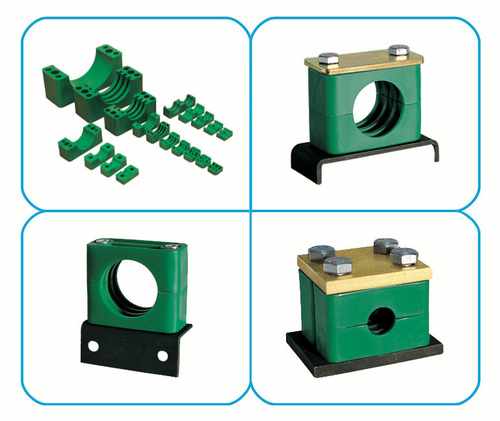
A pipe clamp is a mechanical support device used to secure pipes to walls, ceilings, floors, or support structures. It holds the pipeline firmly in place while allowing the system to operate safely under different environmental and operational conditions.
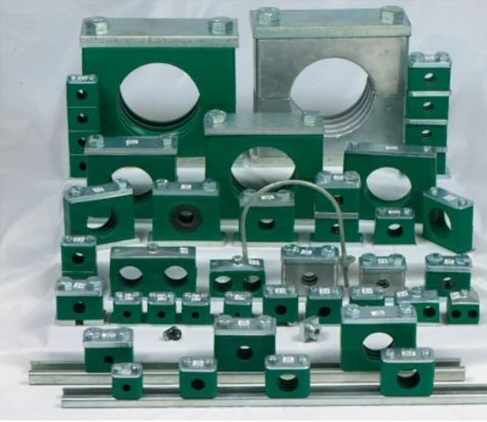
Pipe clamps are available in various sizes, materials, and designs to suit different industries and applications.
The Importance of a Pipe Clamp in Heavy-Duty Pipelines
Heavy-duty pipelines often carry large volumes of fluids or gases at high pressure. Without proper support, pipes can shift, sag, or experience excessive vibration.
A reliable pipe clamp helps maintain the alignment of the pipeline and distributes the load evenly across the support structure. This reduces stress on joints, fittings, and connected equipment, improving the overall durability of the system.
Proper pipe support is especially important in industrial environments where equipment is exposed to constant movement and demanding operating conditions.
Preventing Vibration and Mechanical Stress
One of the primary functions of a pipe clamp is to reduce vibration. Pumps, compressors, and flowing fluids can create continuous movement within a piping system. Over time, these vibrations may cause loosened connections, cracks, or equipment failure.
A properly installed pipe clamp absorbs and controls these movements, protecting the pipeline and extending the life of critical components.
Reducing mechanical stress also minimizes the risk of leaks and unexpected shutdowns.
Enhancing Safety and System Reliability
Pipeline failures can lead to significant financial losses and safety hazards. In industries handling hazardous chemicals, fuel, or high-pressure fluids, even a minor pipe movement can create serious problems.
A dependable pipe clamp helps keep the piping network secure and stable, reducing the possibility of accidents caused by misalignment or structural failure. Stable pipelines also contribute to smoother operations and improved workplace safety.
Supporting Thermal Expansion and Contraction
Pipelines often expand and contract because of temperature changes. If these natural movements are not properly managed, excessive stress can develop within the system.
Many pipe clamp designs are engineered to accommodate thermal expansion while maintaining adequate support. This flexibility helps prevent damage to pipes and connected equipment, particularly in high-temperature industrial applications.
Choosing the Right Pipe Clamp Material
The performance of a pipe clamp depends greatly on the material used in its construction. Common materials include:
Stainless steel for corrosion resistance
Carbon steel for heavy-duty industrial applications
Galvanized steel for outdoor installations
Rubber-lined clamps for vibration reduction and noise control
Selecting the right material ensures long-lasting performance even in harsh operating environments.
Applications of Pipe Clamp Systems
A pipe clamp is widely used across many industries, including:
Oil and gas facilities
Water treatment plants
Chemical processing industries
HVAC systems
Construction projects
Marine and offshore installations
Power generation plants
These applications require reliable pipe support to maintain operational efficiency and system integrity.
Conclusion
A reliable pipe clamp is an essential part of every heavy-duty pipeline system. It provides structural support, reduces vibration, improves safety, and protects valuable equipment from unnecessary wear and damage.
Investing in the right pipe clamp solution helps industries achieve better pipeline stability, lower maintenance costs, and long-term operational reliability. As industrial systems continue to grow in complexity, dependable pipe support remains a key factor in ensuring safe and efficient performance.


Write a comment ...