
Industrial automation continues to transform modern manufacturing and processing facilities. Businesses today require precise control systems that improve efficiency, reduce manual effort, and enhance operational safety. One of the most important technologies supporting automation is the electric actuator. These devices are widely used in industrial applications to control valves, dampers, and mechanical movements with high accuracy and reliability.
What Is an Electric Actuator?
An electric actuator is a motor-driven device that converts electrical energy into mechanical motion. It is commonly used to automate the opening, closing, or positioning of industrial valves and equipment. Unlike manual systems, electric actuators allow operators to control industrial processes remotely and with greater precision.
Modern industries prefer electric actuators because they offer accurate positioning, lower maintenance requirements, and energy-efficient performance. They are commonly used in oil and gas plants, water treatment facilities, HVAC systems, power generation, and manufacturing industries.
Benefits of Electric Actuator Systems
One of the biggest advantages of using an electric actuator is precise control. Industries often require accurate valve movement to maintain pressure, flow rate, and temperature within safe operating limits. Electric actuators provide smooth and controlled operation, helping improve production efficiency.
Another major benefit is automation. Electric actuators can be connected to industrial control systems, allowing real-time monitoring and remote operation. This reduces the need for manual labor and improves workplace safety in hazardous environments.
Electric actuators are also known for their clean operation. Since they do not require compressed air or hydraulic fluids, they are environmentally friendly and easier to maintain.
Types of Electric Actuator Solutions
Different industries use different types of electric actuator systems depending on operational requirements.
Linear Electric Actuators
Linear actuators create straight-line motion and are commonly used in valve automation, lifting systems, and industrial machinery. They are ideal for applications requiring accurate positioning and smooth movement.
Rotary Electric Actuators
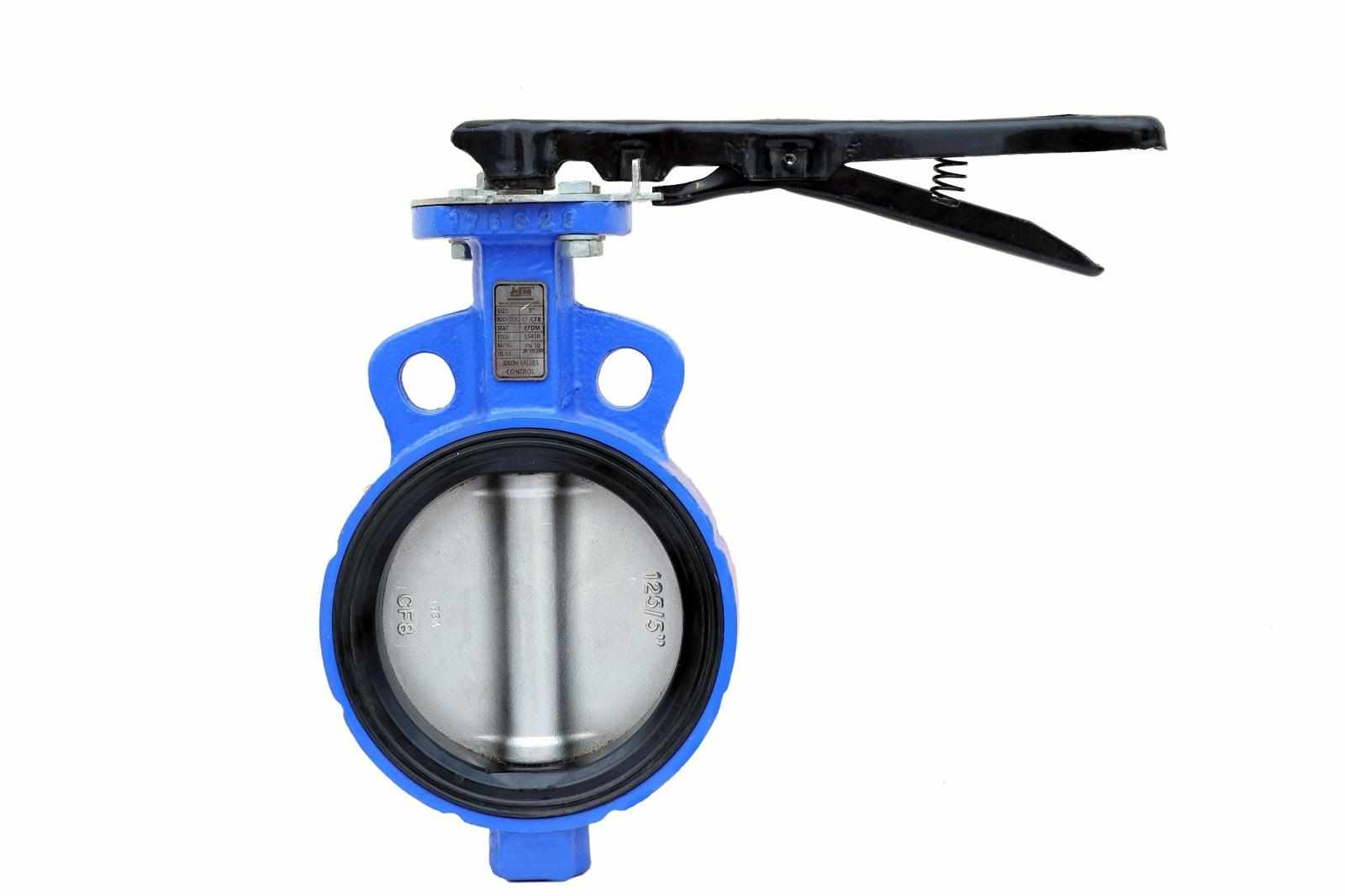
Rotary actuators produce rotational motion and are widely used for quarter-turn valves such as ball valves and butterfly valves. These actuators are popular in pipeline systems and industrial flow control applications.
Smart Electric Actuators
Modern smart actuators include advanced features such as digital monitoring, diagnostics, and automatic feedback systems. These solutions help industries improve operational efficiency and predictive maintenance.
Applications in Industrial Sectors
The demand for electric actuator technology continues to grow across multiple industries. In oil and gas plants, electric actuators help automate valve systems and improve process safety. Water treatment facilities use them for accurate flow control and pressure management.
Power plants rely on electric actuators for steam and cooling system regulation, while HVAC systems use them to control airflow and temperature settings. Manufacturing industries also use electric actuators for robotic systems and automated production lines.
Key Features to Look For
When selecting an electric actuator, industries often consider factors such as torque capacity, speed, environmental protection, and compatibility with automation systems. High-quality actuators should offer durability, corrosion resistance, and reliable performance under harsh operating conditions.
Energy efficiency and easy maintenance are also important considerations for long-term industrial use.
Conclusion
Choosing the right electric actuator solution is essential for improving industrial efficiency, accuracy, and safety. Modern electric actuators provide reliable automation, precise control, and reduced maintenance costs across a wide range of applications. As industries continue to adopt advanced automation technologies, electric actuator systems will remain a key component in modern industrial operations.


Write a comment ...